Urbanisation
Nowadays, 55% of the world population lives in urban areas. It is expected that by 2050 the percentage increase to 68%. Projections also show that this growth in combination with population growth could add up to 2.5 billion people in urban areas by 2050. China, India and Nigeria are expected to account for 35% of that growth, creating new centres of population, wealth and culture. As an indicator of this shift only 15 years ago China’s economy was just one tenth of the size of the US economy. In case that growth continues as predicted, China will overtake the US by the late 2020.
In this effect, by 2050, the global economy will be led by emerging markets, consisting of China, India, Brazil, Russia, Indonesia, Mexico and Turkey forecaster to account for nearly 50% of the global GDP.
Healthy lifestyle

Nowadays, when talking about health less people have a white doctor`s coat as their first association. There are so many innovative services such as customised vitamin subscription, artificially intelligent/ online fitness coaches. The profession “Life coach” become more popular in the last years. The technology development plays a crucial part here as well as more people “track” their own well being through apps, watches etc. Treatments are now based on personal data and as we live in the time of big data, it is more accurate than it has ever been before. This mega trend is also closely related to mindfulness. Many people turned their backs on the pressure of work/life imbalance. As it is also the era of anxiety and burnout this trend was necessary for the society to survive. People live more mindfully and spiritually, and the subject of mental health is not as big of a taboo as it was before. There are even online coaching/ therapy sessions, which integrates that mindfulness bit by bit into the daily routine, even if it is just by the usage of an app.
Social Media
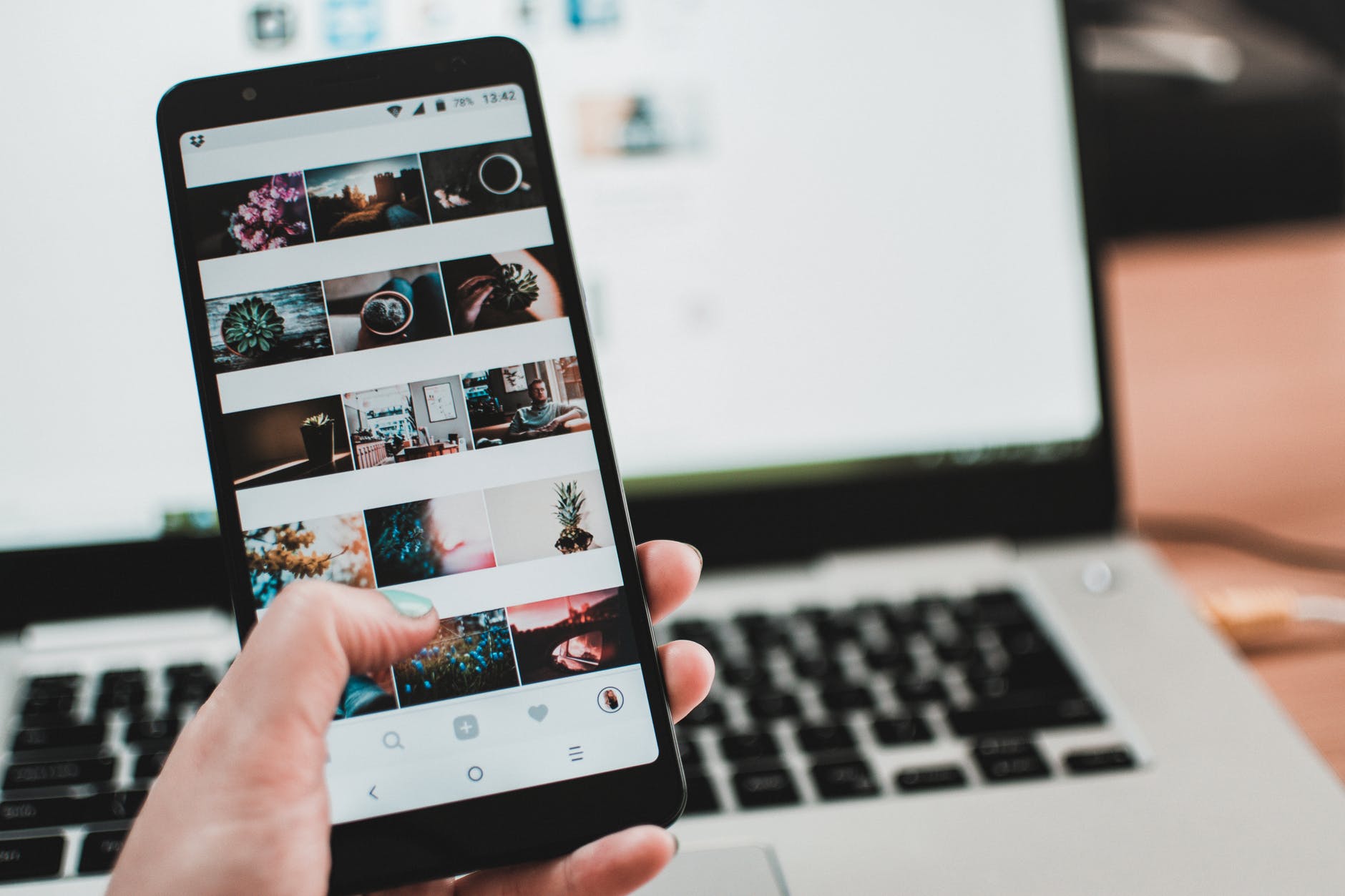
Skyscanner (search engine) saw a spike of 3.5% of mobile usage last year. Google customer insights statics also show the following: It is more than beneficial for companies to reinforce their mobile presence. Therefore, customers also demand mobile friendly websites and clear, easy to navigate content. An example, of another thing within the mobile usage that is increasing is the voice search. Looking from the customer perspective: highly personalized itineraries, amenities and individually tied experiences are increasingly in demand. Short-form, hyper relevant and individualized content, which can be integrated into the traveller feed is also becoming the norm. On the contrary though, with the rise of personalized services, the concern for privacy and security of personal data rises as well. There is a gap between consumers’ desire for personalized travel and the unwillingness to disclose personal information, which companies need to approach carefully.
Personalization is the fastest growing and one of the most impacting travel trends when it comes to customer experience. Nowadays, companies have access to a huge volume of data being collected from variety of customer touch points and combined with also the usage of advanced analytic tools, they have all the information needed to make their products, services and communication with the audience way more meaningful and engaging than before. As the competition on the travel market continues to increase constantly, organisations realise that engaging with your customer in the most relevant and personalized way is crucial to make their brand stand out from the rest of the competitors. However, the growth of the personalization trend, many travel brands struggle to meet its demands. It has become an expectation from the travellers to have more personalized travel experiences. Millennials in the age group from 25 to 34 are less likely to be impressed versus having a high expectation around the travel experience itself.

Photo by Samuel Silitonga on Pexels.com
Slow tourism first occurred in Italy about 20 years ago (Holidays”, 2019) Taking a look at the beginning of the movement it become with nutrition and the fast forward rise of fast food – the total opposite. It is not just about the slow tourism, it involves slow food, slow education and slow city. It is all about the way of putting an end to the pressure of the modern life and consumerism. Closely related to mindfulness/ healthy lifestyle mega trend, more and more people go for those slow type of vacations. It is about the journey itself and exploring the destination, mixing up with the locals and taking a break to appreciate the authenticity the places can offer. It involves all type of activities that allow the traveller to be closer to the native side of the destination.

Artificial intelligence First there was a “mobile first” as social media usage emerged as one of the most important trends impacting all industries. As technology keep advancing with each day, the attention is now on “AI first”. Artificial intelligence has been one of the most interesting topics tech company managers have focused on. There are many for and against the development of that as it turns as both blessing and a curse. People supporting it claim that it could solve existential problems of the 21st century and bring prosperity to all. The people against it, however, consider the development threatening humans. The developed until now artificial intelligence is the so called “weak IA”, which can achieve things such as: completing search queries, helps with complex logistics problems, draws up diagnoses and soon, autonomous cars will be a fact.
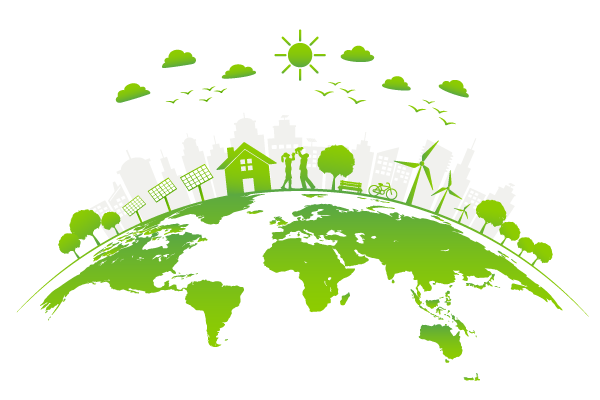
Sustainability is a megatrend being absolutely crucial and becoming more and more relevant in the past years. Sustainability is about the triple P- People, Planet and Profit. Its core value is: “avoidance of the depletion of natural resources in order to maintain an ecological balance”. It affects all industries and society`s habits. Zero waste concept is an example of sustainability in our everyday routine. Moreover, everything related to recycling, using alternative products and methods that are more sustainable, help further develop this mega trend. Company wise, it is also about the production of the products and services and using sustainable suppliers, packaging etc. However, the people’s part is also influenced in the work environment, as employers became more thoughtful regarding the work/life balance of their employees.
As already mentioned, technology is a crucial thing in our everyday lives. The internet has become an irreplaceable part in our daily and working lives. Nowadays, people can connect using technology easily which could not be done at all in the past. Furthermore, the internet brought to our attention social networks. Social media is a crucial component of this mega trend. They have radically accelerated, globalised and democratised communication, collaboration and knowledge sharing.
Apps, websites and even games have connecting features- people can share interests, opinions, experiences and even consumer goods could be traded online. Therefore, marketplaces are also moving deeper into the online sphere. Positive impact of the connected world could be seen in the numerous projects for funding a company, or a good cause etc- crowd sourcing/ crowd funding
A growing disenchantment with politics, boycotts against big business, and a creeping sense of paranoia regarding the onset of permanent threats: the basis of trust in central institutions is breaking up. Today, information spreads quickly and widely. Everyone can be a receiver and sender using social networks and blogs, for example. This makes it possible for anyone to publicise grievances such as alleged misbehaviour in the fields of business and politics. Such information is often contradictory, however, and it is becoming increasingly impossible to separate truth from lies.

The protection of privacy and private property now concerns the digital space just as much as the physical one. Safeguarding connected devices from data theft has become a matter of cyber hygiene, as permanent communication via easily intercept able, wireless connections carrying so much important data has made connected devices and machines a favourite target of cyber criminals. For example, autonomous vehicles as fully connected and automated systems can become dangerous without the necessary security aspects in place. At the same time, the need to make security measures transparent and adaptable creates constant challenges for software engineers. This discussion will continue along the lines of freedom and security.
Get new content delivered directly to your inbox.
 #Balkantourist